
A Homeowner’s Guide to Water Restoration After Flood Damage
By Charles Wallace | November 26, 2025
The aftermath of a home flood can feel overwhelming, especially when water spreads quickly and affects structural components, finishes, and personal belongings. Flooding may occur from storms, heavy rainfall, or plumbing failures, and each source brings unique challenges. Acting promptly is essential because effective water restoration protects the home’s integrity while promoting a safer, healthier environment. Lingering moisture weakens structures, damages finishes, and encourages mold growth, which carries serious health risks and increases long-term repair costs. Flood damage can also escalate financial burdens if left unaddressed, including costly structural repairs and replacement of personal items. Homeowners must act decisively, understanding that early intervention not only reduces immediate damage but also safeguards the property from ongoing deterioration. With this in mind, the following guide outlines practical steps homeowners can follow to begin comprehensive water recovery efforts efficiently, helping restore safety, comfort, and peace of mind.
Take Safety Precautions and Conduct Inspections
Safety is the first priority when reentering a flooded home. Electrical hazards may arise when outlets, wiring, or appliances contact standing water. A licensed electrician should inspect all systems before powering anything back on. Structural components may also be weakened, so approach floors, walls, and ceilings with caution, wearing protective boots, gloves, and masks.
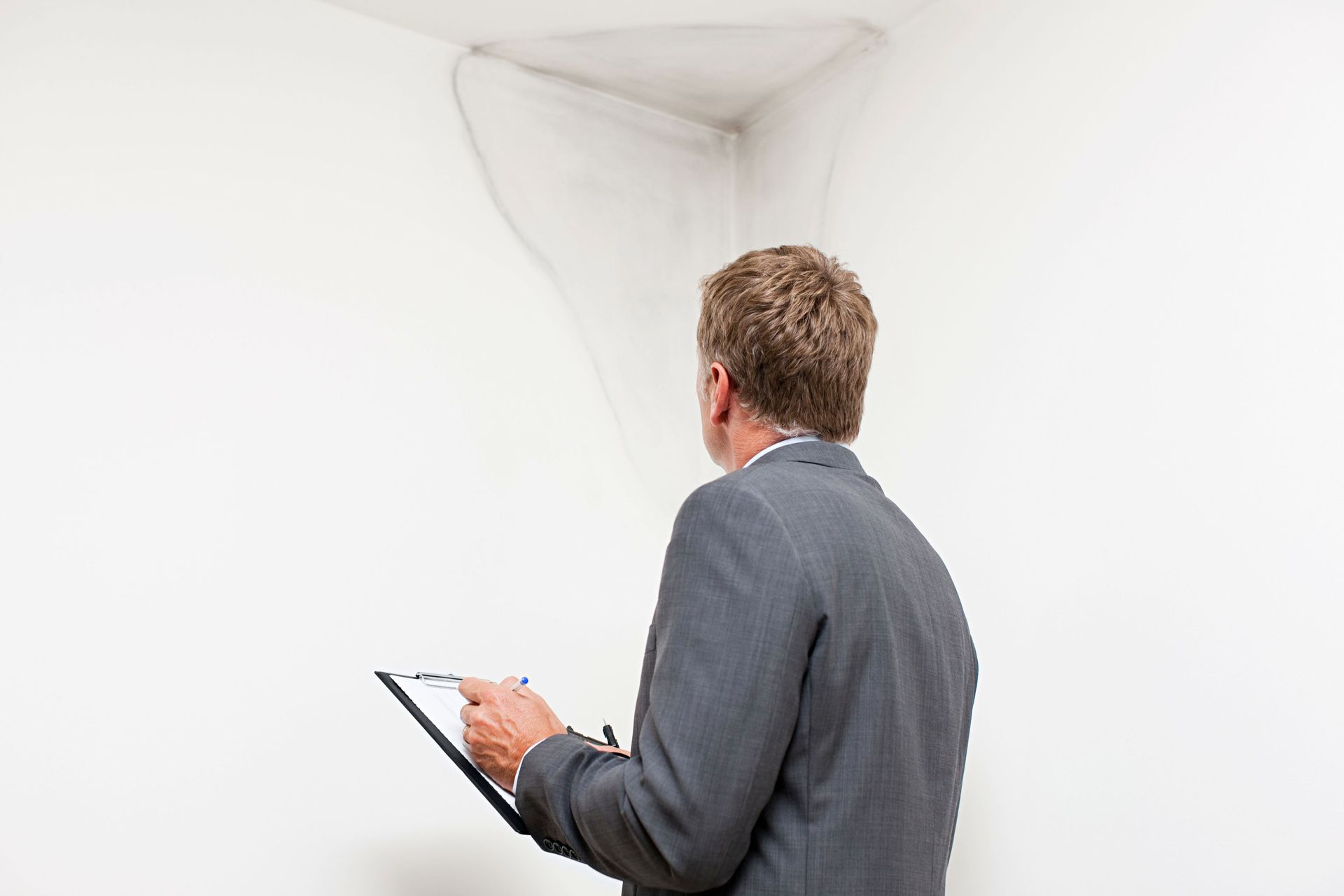
Simultaneously, a thorough inspection is essential to determine the full scope of the damage. Examine drywall, flooring, trim, insulation, and ceilings for visible water exposure, while also checking attics, crawl spaces, and behind walls for hidden moisture. Documenting stains, warped materials, and compromised surfaces strengthens insurance claims and provides a clear plan for water restoration.
Document Damage With Clear Evidence
Strong documentation helps streamline interactions with insurance providers. Use photos, videos, and written notes to capture both wide-angle and close-up views of affected areas. Organize digital or printed folders for easy access when adjusters review your claim. Proper documentation supports a smoother, more efficient claims process and ensures nothing is overlooked during water restoration. Include detailed notes about the time and conditions when each photo or video was taken to provide context. Label and categorize damaged areas by type and severity to make the claim process clearer. Maintaining consistent records also helps track progress during repairs and can serve as a reference for any future maintenance or restoration needs.
Identify Water Damage Types With Accuracy
Understanding the type of water involved guides the restoration strategy. Clean water from burst pipes or rain generally poses minimal health risks. Gray water may contain contaminants from appliances or external sources, while black water from sewage or severe flooding carries serious health hazards and requires professional handling. Accurately identifying water types ensures appropriate safety measures and restoration methods are applied throughout water restoration.
Use Professional Assessment Services With Confidence
While homeowners can spot visible damage, professionals offer precise evaluations and detect hidden issues. Using advanced tools like moisture meters and thermal cameras, experts can assess areas behind walls, under flooring, or in concealed spaces. Their evaluations improve the restoration plan, support insurance claims, and reduce the risk of missed problems during water restoration. Professionals can also identify early signs of structural weakening or mold growth that may not be apparent to the untrained eye. Their experience allows them to prioritize repairs effectively, ensuring that the most critical issues are addressed first. Engaging certified experts provides peace of mind, knowing that the assessment is thorough and backed by industry standards.
Remove Standing Water With Proper Equipment
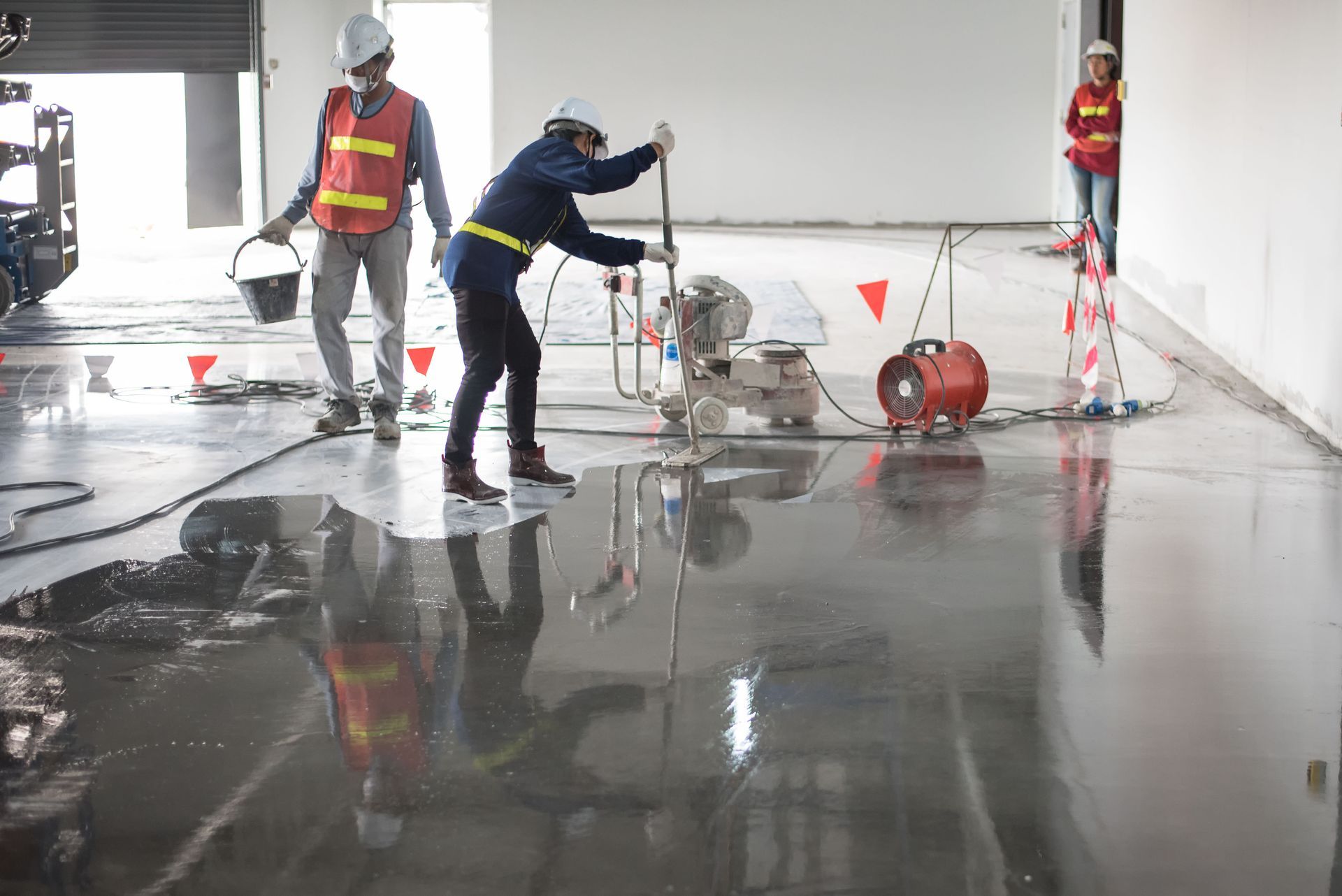
Removing water is the first tangible step in restoration. Wet/dry vacuums are effective for smaller areas, while submersible pumps handle deeper flooding. Selecting the right equipment depends on water depth, affected area size, and safety considerations. Begin pumping at the lowest point and discharge water away from the foundation to prevent repeated flooding. Slow, methodical pumping avoids pressure-related structural damage. Once most water is removed, mops and towels help eliminate residual moisture, preparing the home for drying and dehumidification.
Promote Drying With Airflow, Heat, and Dehumidifiers
Air circulation is vital for efficient drying. Open windows and doors when possible and strategically place fans to enhance evaporation. Dehumidifiers are essential for removing lingering moisture, especially in larger or industrial settings. Position units centrally and monitor humidity levels until readings reach safe levels. Heat can accelerate drying when applied carefully through portable heaters or the home's HVAC system. Combining airflow, heat, and dehumidifiers ensures a faster and more thorough water restoration process.
Use Moisture Meters and Prevent Mold Growth
Moisture meters are valuable tools to track drying progress and identify hidden wet spots. Regular checks ensure all areas are fully dry, preventing secondary issues. Controlling humidity is critical to stopping mold development. According to RubyHome, nearly half of homes in the United States experience mold growth, underscoring the need for vigilance. Early prevention of mold helps homeowners avoid costly remediation later and supports long-term structural integrity.
Recognize and Remove Mold With Safe Techniques
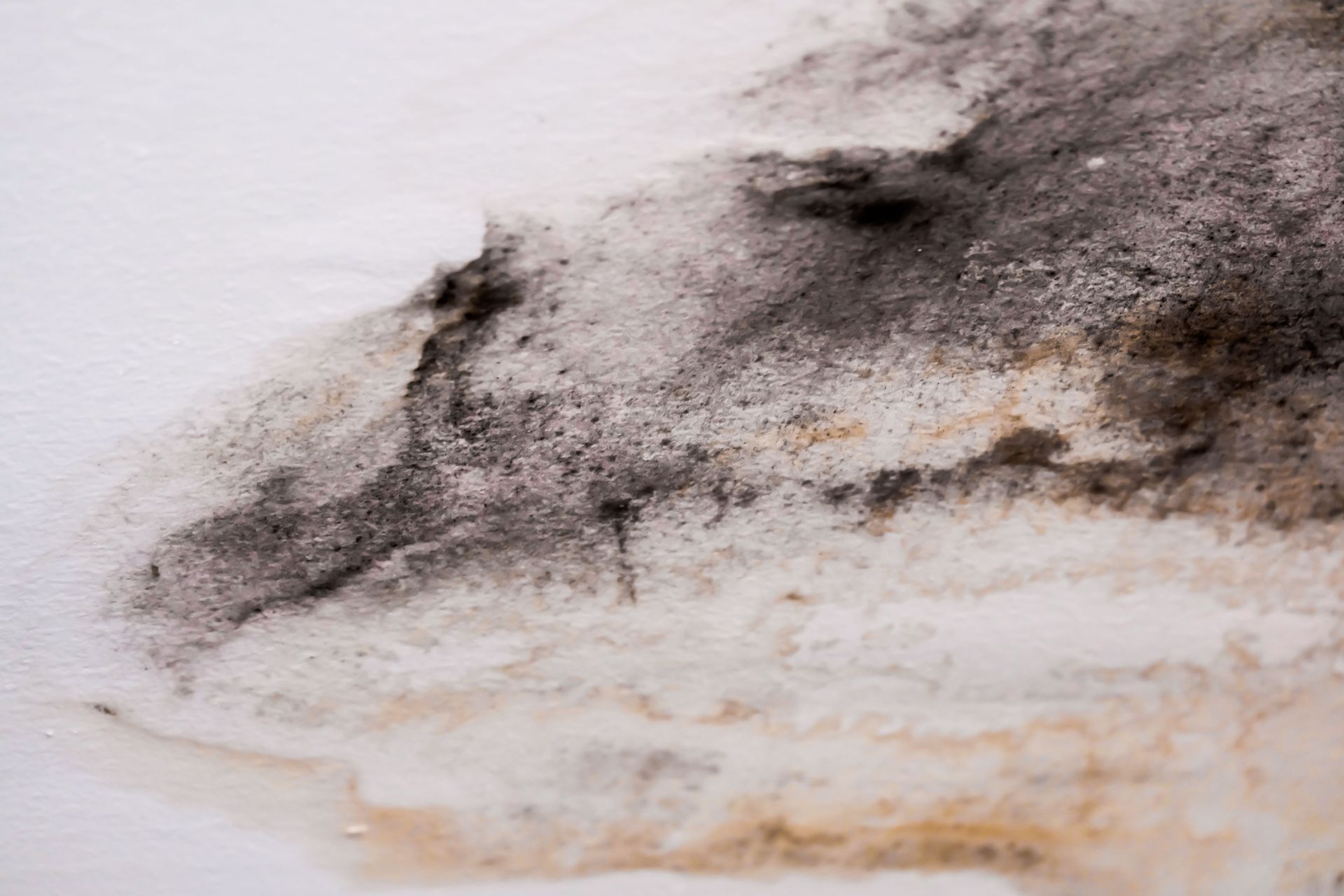
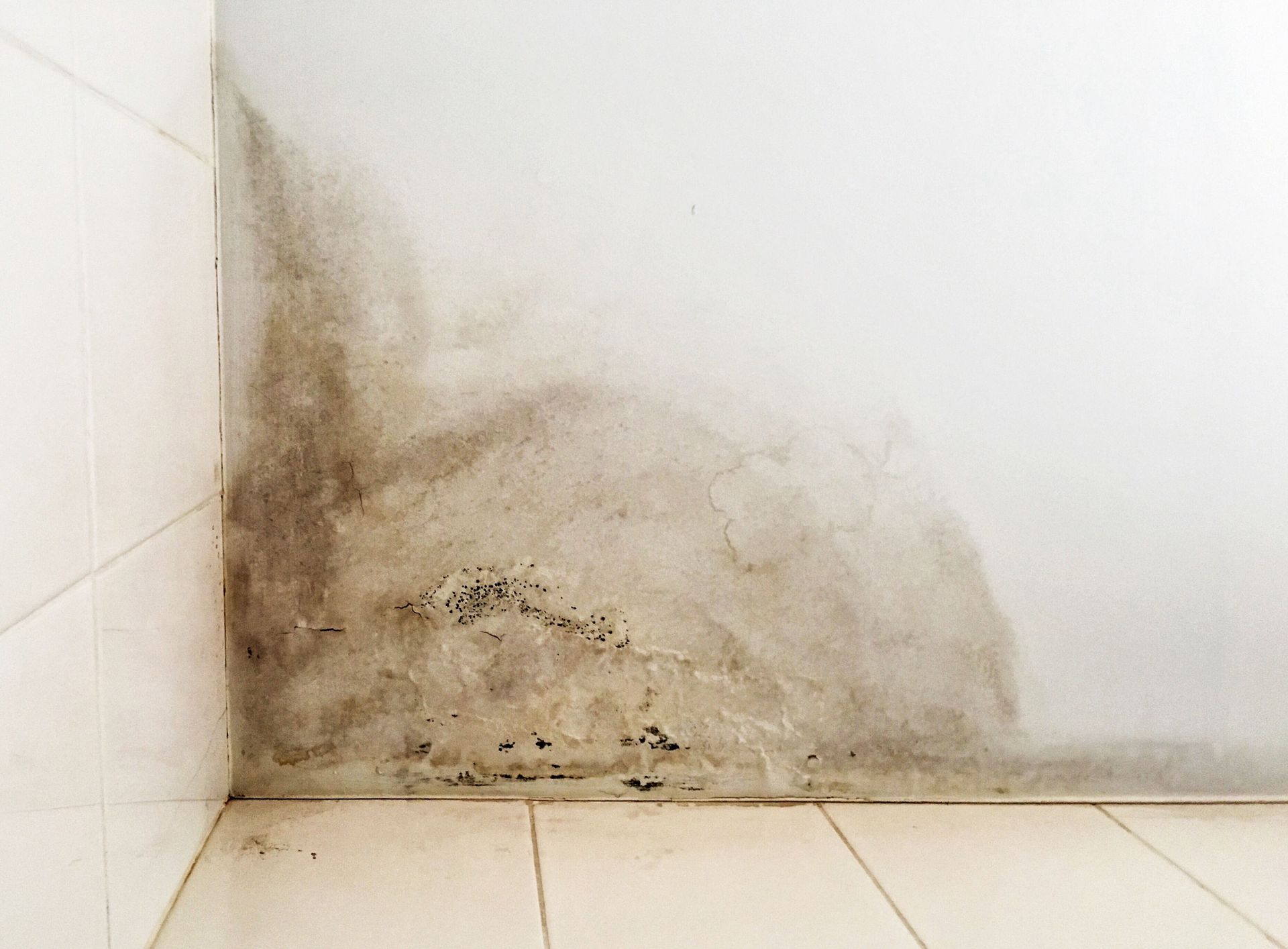
Discoloration, stains, and musty odors indicate potential mold growth. Mold can cause respiratory irritation or allergy-like symptoms, making timely action important. Proper removal requires protective gear and targeted antifungal treatments. Severely contaminated materials may need replacement. Continued monitoring ensures the mold does not return.
Hire Mold Remediation Experts and Implement Preventive Measures
Professionals provide advanced tools, experience, and controlled methods to fully eradicate mold, including hidden colonies. Beyond immediate cleanup, homeowners can reduce future mold risks by improving ventilation, maintaining plumbing, and monitoring humidity. Safe disposal of mold-infested materials in heavy-duty bags prevents spore spread, while adherence to local regulations ensures proper handling.
Assess Structural Integrity and Restore Surfaces
After flooding, foundational elements, beams, and supports require careful inspection. Addressing compromised materials promptly preserves long-term safety. Walls and floors should be repaired or replaced with durable materials to restore both strength and aesthetics. Finishing touches, like painting or refinishing, return comfort and normalcy to the home.
Reinstall Electrical Systems and Sanitize Thoroughly
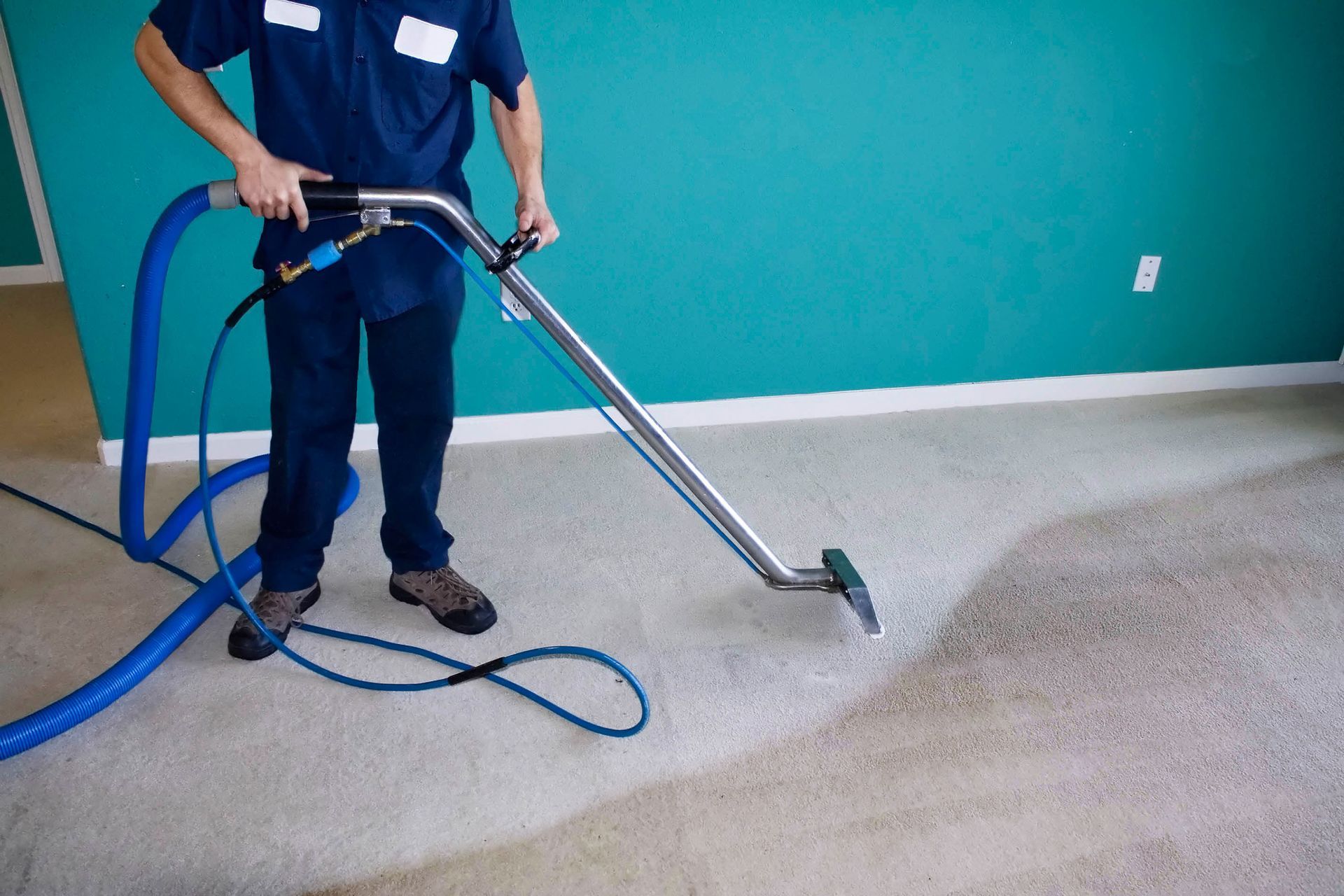
Licensed electricians must inspect, repair, and test wiring affected by floodwater. Safe electrical restoration protects household safety and functionality. Cleaning and sanitizing surfaces is equally important — professional-grade disinfectants, steam cleaning, and antimicrobial treatments help prevent lingering contamination and support a healthy environment.
Restore Personal Belongings and Manage Insurance
Items affected by water may be repaired or replaced, depending on the damage. Professional restoration may be beneficial for valuable or sentimental belongings. Understanding flood insurance policies, including coverage, deductibles, and exclusions, empowers homeowners to navigate recovery effectively. Organized documentation of losses strengthens claims, while clear communication with insurance adjusters ensures efficient settlements.
Plan Finances and Estimate Restoration Costs
Relief programs, recovery loans, and other financial assistance can help when coverage is limited. Accurate cost estimation, including labor, materials, and professional services, allows homeowners to create a realistic budget. Careful planning prioritizes safety, structural stability, and long-term home improvements during water restoration.
Flood recovery demands more than just quick fixes — it requires planning, timely action, and the guidance of experienced professionals. Effective water restoration involves comprehensive inspections, thorough drying, mold prevention, and careful structural repairs, all tailored to restore the home’s safety, comfort, and long-term durability. Beyond immediate cleanup, proactive measures like moisture control, preventative maintenance, and insurance management set homeowners up for resilience against future flooding events. When you need reliable assistance with roofing, siding, or water and fire damage restoration, we at Dry By Design are ready to support you. Our team can guide you through every step of the restoration process, ensuring your home is safe, fully functional, and restored to its pre-flood condition. Contact Dry By Design today to begin your recovery journey and safeguard your property for years to come.
Share On: