
Why You Should Prioritize Speed With Mold Remediation
By Charles Wallace | February 25, 2026
In the face of mold infestation, immediate action is crucial not just for the sake of convenience but for health, financial, and environmental reasons. Mold can quickly become a severe problem, and prioritizing speed in remediation efforts can dramatically reduce the associated risks and costs. This article delves into the reasons why swift mold remediation is essential and offers actionable insights for tackling mold growth efficiently.
The Nature of Mold
Mold is a type of fungus that reproduces through spores, which are invisible to the naked eye. These spores can be found floating through the air both indoors and outdoors. When mold spores land on a surface with the appropriate environmental conditions, they can begin to grow and spread rapidly. According to Home Gnome, mold can begin growing within 24 to 48 hours after water damage, highlighting the quick lifecycle of mold spores. Understanding the lifecycle of mold spores is vital to addressing mold issues swiftly and effectively.
Mold thrives in warm, damp, and humid environments. Common indoor spaces that provide these conditions include basements, bathrooms, and kitchens, where moisture levels tend to be higher. Poor ventilation and a lack of sunlight create ideal conditions for mold proliferation. By controlling indoor humidity levels and improving ventilation, the risk of mold growth can be significantly minimized. Addressing leaks and water damage promptly is crucial to preventing mold, thereby requiring swift response and remediation.
Once mold spores begin to grow, they can spread quickly throughout a home or commercial building. This spread is facilitated by airflow within the space, helping spores reach new surfaces to colonize. If unchecked, mold can cause damage to building structures, leading to costly repairs. In commercial settings, mold can also impede operations and affect employees' health. Rapid intervention is necessary to contain mold spread and prevent extensive damage.
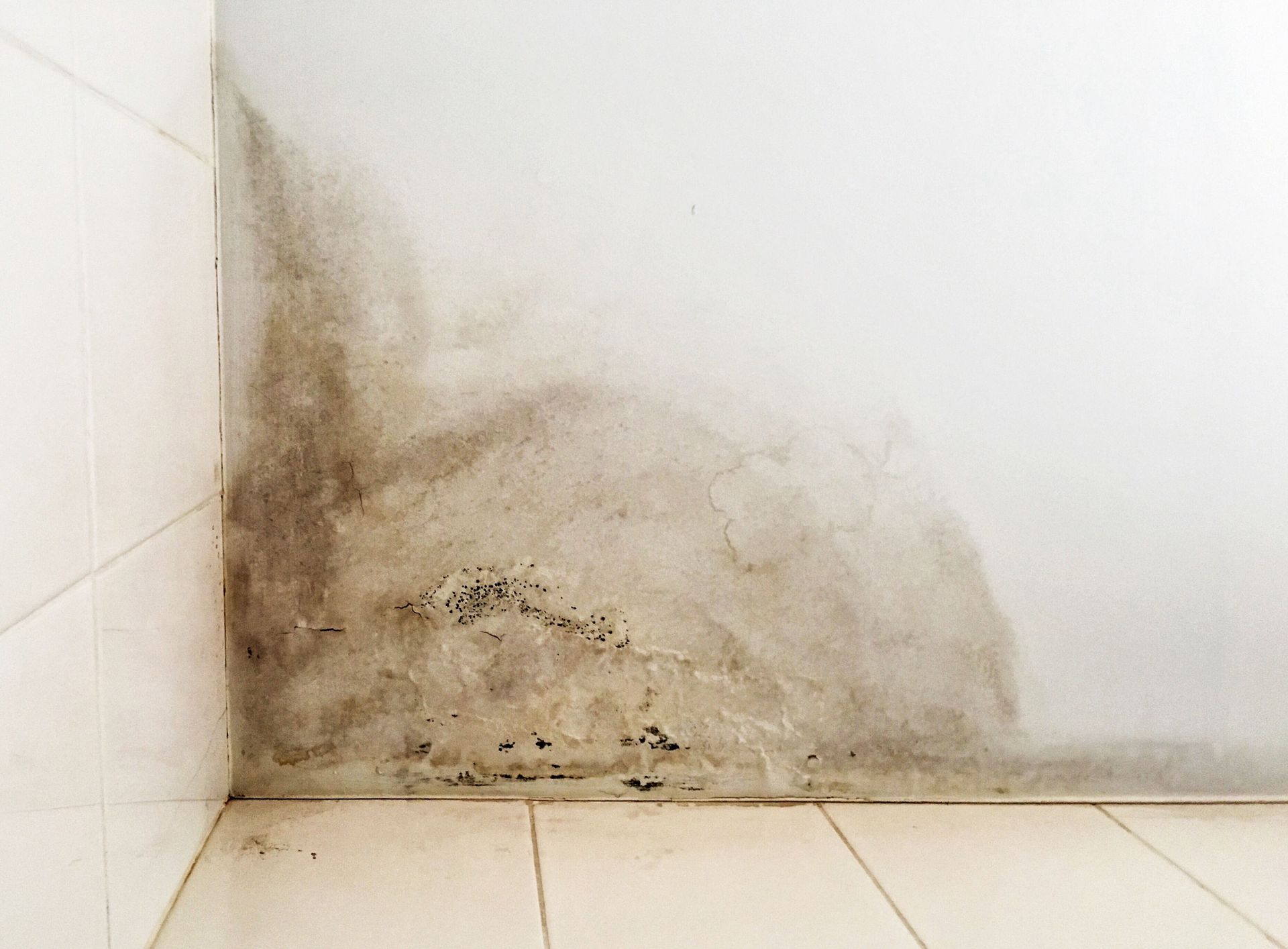
Failing to detect and address mold in its early stages can result in significant health hazards and structural damage. Visible signs of mold, such as discoloration or a musty odor, should not be ignored. More importantly, unseen mold often lurks behind walls and ceilings, posing an invisible threat. Beyond physical damage, mold exposure can lead to respiratory issues, emphasizing the importance of quick action. Immediate attention to mold signs increases the likelihood of less costly and invasive remediation processes.
Health Risks Associated With Mold Exposure
Mold exposure can cause a range of respiratory complications, especially for individuals with pre-existing conditions. Mold spores can irritate the throat, lungs, and nasal passages, leading to symptoms such as coughing and wheezing. Those with asthma or chronic respiratory conditions are at increased risk of experiencing severe reactions. Consistent exposure can lead to prolonged respiratory discomfort and exacerbate existing health issues. Swift mold remediation can prevent these complications by limiting exposure to harmful spores.
Mold can be a potent allergen, triggering allergic reactions in sensitive individuals. Symptoms may include sneezing, skin rashes, and itchy eyes. Prolonged exposure can sensitize individuals, making them more reactive to mold over time. Mold sensitivity can impact both physical health and quality of life, leading to discomfort and irritation. Addressing mold issues promptly reduces the risk of developing or worsening mold-related allergies.
Long-term mold exposure has been linked to more severe health consequences. Studies suggest that chronic exposure can lead to respiratory illnesses and neurological issues. Some individuals may experience symptoms such as fatigue and brain fog as a result of mold exposure. Swift remediation minimizes the duration of exposure, helping to safeguard against these potentially serious long-term health effects. Protecting health requires recognizing the urgency of addressing mold concerns.
Children and the elderly are particularly vulnerable to the effects of mold exposure. Young children have developing immune systems that make them more susceptible to respiratory and allergic reactions. Elderly individuals may have compromised immune systems or existing health conditions that mold exposure could aggravate. Prioritizing rapid mold remediation helps protect these vulnerable populations from the adverse health effects of mold. Ensuring their safety makes swift action a priority.
Financial Implications of Delayed Mold Remediation
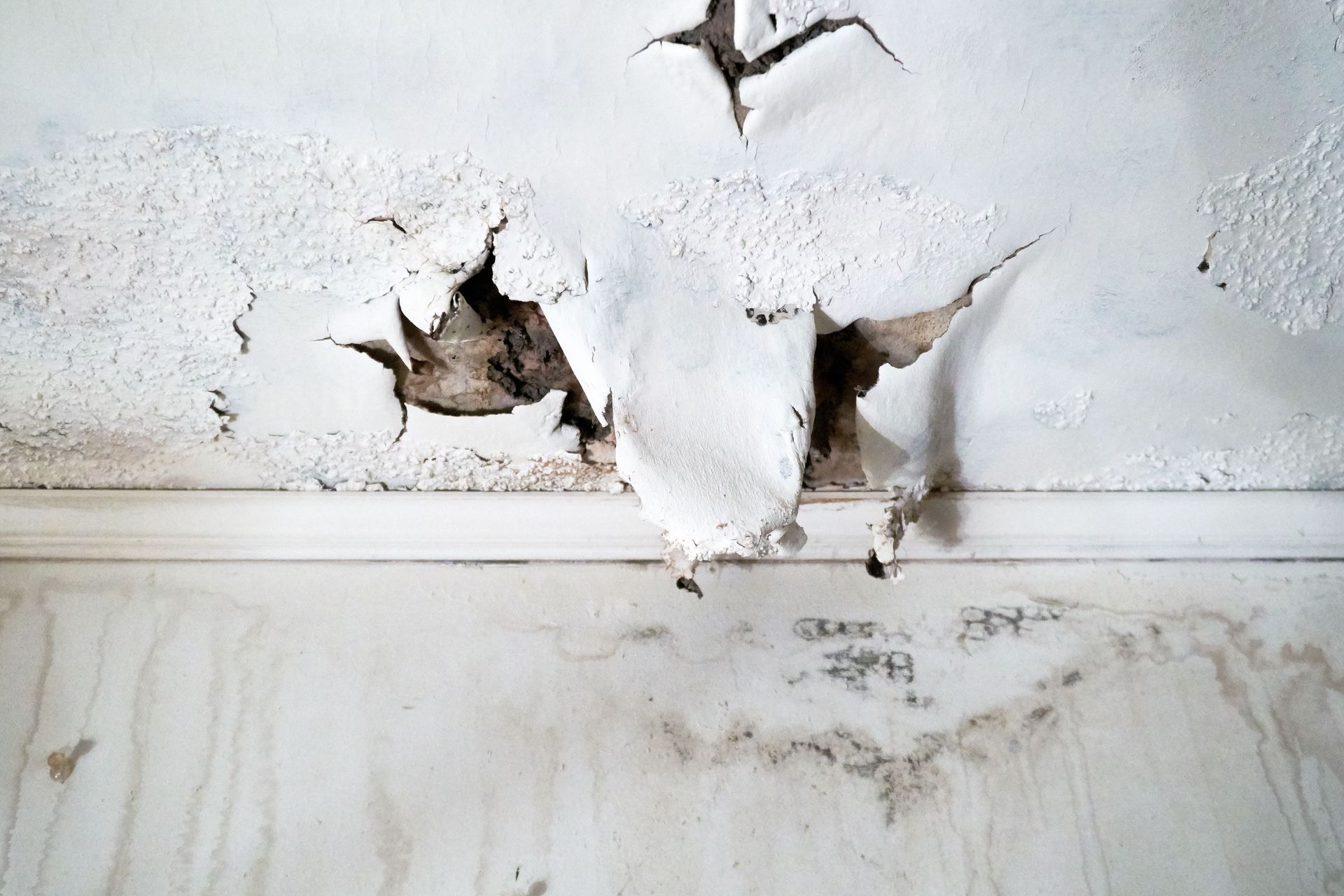
Delaying mold remediation increases the potential for significant property damage. Mold can deteriorate building materials, leading to costly repairs and restoration work. Replacement of drywall, carpet, and insulation is often necessary when mold infestation is extensive. Addressing mold issues promptly reduces the extent of damage and associated repair costs. Financially, proactive remediation is more economical than waiting for problems to escalate.
Insurance policies often cover mold damage, but the extent of coverage can vary significantly. Many policies require homeowners to take prompt action to mitigate damage, which includes addressing mold. Delay or negligence could result in rejected claims, further increasing out-of-pocket expenses. Understanding policy details and acting quickly can ensure that insurance support is available for remediation efforts. Insurance considerations underscore the need for urgent action in mold cases.
Mold problems can have a substantial negative impact on property value and resale potential. Homebuyers are often wary of properties with known mold issues due to health and financial risks. A reputation for persistent mold can lead to decreased market interest and lower offers. Swift remediation helps preserve property value and improves prospects for successful resale. Addressing mold promptly aligns with maintaining the long-term investment in a property.
For landlords and business owners, mold can lead to lost revenue if the property becomes uninhabitable. Tenants may vacate premises, leading to loss of rental income. Businesses may face interruptions affecting productivity and revenue. Timely mold remediation can prevent these indirect financial losses by ensuring spaces remain habitable and operational. Landlords and business owners benefit from addressing mold concerns quickly to sustain operations and income.
Environmental Impact of Mold
Mold plays a natural role in ecosystems by breaking down organic matter. In doing so, mold contributes to nutrient cycling and soil formation. However, the presence of mold indoors poses challenges due to health and structural concerns. Recognizing mold's ecological role helps balance approaches to its remediation. Swift solutions focus on minimizing indoor mold impact while respecting its place in the natural environment.
Eco-friendly remediation methods seek to mitigate mold with minimal environmental impact. Techniques such as using non-toxic cleaning products and natural ventilation are preferred. These practices ensure that mold removal does not lead to secondary environmental consequences. Integrating sustainability into remediation respects both immediate health needs and environmental stewardship. Prioritizing eco-friendly options enhances the long-term benefits of mold remediation.
Disposing of mold-infested materials requires careful waste management to prevent additional environmental damage. Recycling where possible and using certified waste facilities for disposal reduces ecological impact. Proper sorting and handling minimize risks associated with mold contamination. Efficient waste management reflects a commitment to sustainable practices during remediation. Proactive recycling and disposal form an integral part of environmentally responsible mold treatment.
Energy-efficient remediation methods contribute to sustainable mold management. Utilizing energy-saving equipment and techniques minimizes resource use during remediation. Incorporating energy-efficient dehumidifiers and lighting can reduce overall energy consumption. Emphasizing energy efficiency in mold treatment marries economic savings with environmental benefits. Environmentally-conscious remediation advocates for sustainable resource management alongside effective mold control.
Swift mold remediation is not just a choice; it is a necessity to ensure the health and safety of individuals, protect financial investments, and preserve the environment. By understanding the implications and acting promptly, property owners can mitigate the risks associated with mold growth. For a
mold remediation service you can count on, contact Dry By Design today.

Share On: